

Discover Essential Offsite SEO Advantages

Introduction
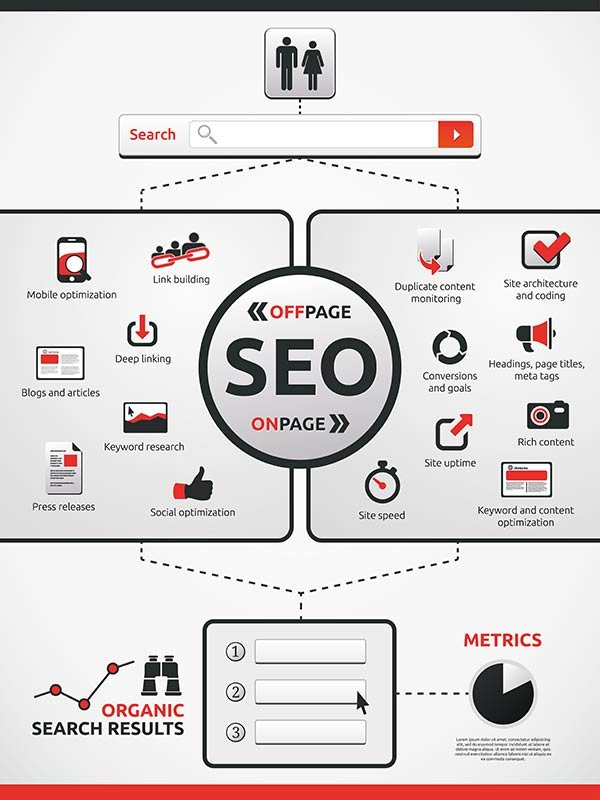
Through my MKT 363 – Digital Consumer Search course, we were exposed to the idea that Offsite SEO uses external signals to determine the way in which search engines evaluate your site for its level of trust and authority. Onsite SEO, on the other hand, has direct control of their own content and structure; off-site optimizers rely upon other sites linking to or otherwise interacting with their own site. Materials covered in class emphasized that Offsite Signals are a significant part of Google’s Ranking Algorithm, and therefore represent important components of a marketer’s visibility and competition in search ranking. A technically exceptional site may not be able to rank highly if there is insufficient supporting evidence from Offsite Sources. When attempting to comprehend the importance of Offsite SEO, it is necessary to investigate how Links, Reputation, and Validation contribute to the site’s Page Authority.

What Is Offsite SEO?
Offsite SEO is a term used to describe SEO factors that are not part of a specific site, yet have an influence on the ability of that site to rank. Generally, offsite SEO includes the way other sites link to, refer to, or interact with your page. The focus of offsite SEO is to build authority, rather than to control the content of a site. The links and references from other reputable websites demonstrate value to the page beyond just the site itself. Because this type of signal is coming from a third party, you have less control over it but, at the same time, it has a significant impact on how Google perceives your credibility and trustworthiness.

Why Offsite SEO Matters in Google’s Algorithm
Offsite SEO accounts for about two-thirds of Google’s ranking system, and shows how important offsite SEO is to a site’s search performance. According to the lecture materials, on-site SEO tells Google what a web page is about and off-site signals determine how reputable a page is in comparison to its competitors. Content can be great, but without strong off-site signals, it may never get into the top rankings. Off-site SEO is present at both the level of the domain and the level of the page, impacting both the overall reputation of the site’s domain and the ranking of each individual page. Thus, off-site optimization should be a vital part of your long-term search engine optimization efforts.
Backlinks and Authority Building
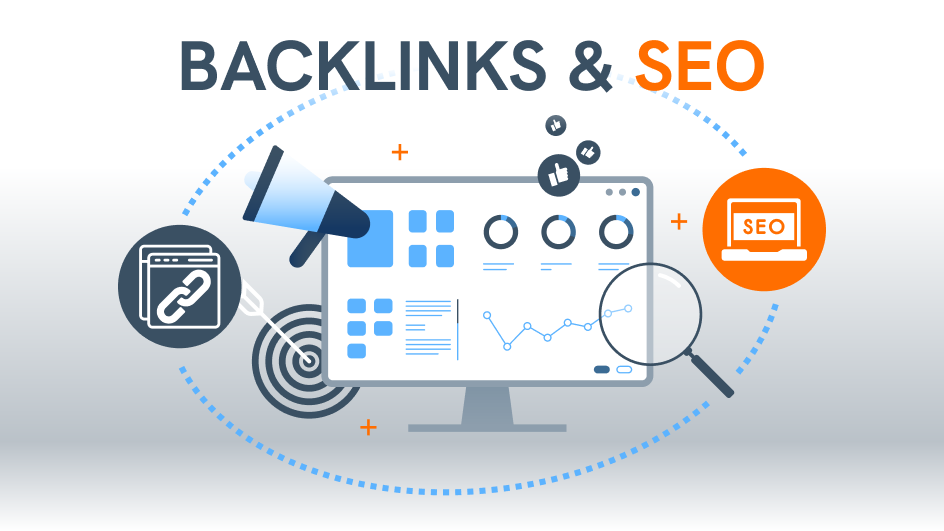
Backlinks are among the greatest offsite seo signals because they are endorsements of your website from other internet users (or companies). Nonetheless, backlinks are not all equal in value; i.e., a higher-quality backlink from a reputable, thematically-related website has greater authority than a lower-quality backlink from a website that does not share any theme with your website, and vice versa. During the course of the lecture, the lecturer explained that contextual backlinks that have been placed naturally in relation to relevant content are considered stronger than non-contextual backlinks that were not placed similarly. The way that search engines evaluate link quality, link relevance, and link placement is used by search engines to determine how much trust one website should receive from another.
Link Diversity and Anchor Text Strategy
In order to have effective offsite SEO (search engine optimization), there should be a variety of types of links from websites with different IP addresses and/or domains and from many different sources, etc. If a website only relies on one link type or one website, then that website’s authority signal will be weaker than if it had many different types of links. Also, in addition to having a variety of links, you should also have a strategy for using anchor text (the clickable text that a user sees). You need to use keywords when you’re developing your anchor text strategy, but you shouldn’t use the exact same keywords for each link because that can make it look like you’re trying to manipulate search engines. Therefore, if you want to continue to build your website’s authority in a sustainable way, you need to balance out the keyword-based anchor text with branded and naturally phrased anchor text.
Common Offsite SEO Methods
Many techniques of creating content to promote your business can be classified as “off-page” SEO. These include building blogs, publishing articles, participating in forums and using social bookmarking. Additionally, profile linking and adding a business to an internet directory can help with obtaining exposure if done correctly. When employing the example of the lecture, it was evident that a three-way link exchange will yield better results than a direct reciprocal link; the former appears more “natural.” One of the most efficient long-term strategies is link bait, whereby a website owner provides valuable resources that cause others to link to it voluntarily. All of these strategies have the purpose of developing credibility and authority without generating “spammy” signals.
Conclusion
Offsite SEO is important for gaining autority, credibility and trust for your website in terms of search ranking. Onsite SEO helps you define the relevance of your website while external signals through offsite SEO support the relevance of a website through the recognition of other persons. Offsite signals such as backlinks and link diversity as well as the use of anchor text and ethical practices are all vital pieces to helping Google determine the relevance of your website. Having a good onsite optimization may not be sufficient for competition on the search engines without also having offsite SEO. If a marketer understands Offsite SEO, they will be able to develop a long-term, sustainable marketing strategy to help their onsite SEO efforts improve their searches.