
Keyword Research Strategies
Because keyword research reveals how consumers actively search for data, products, and services online, it is a crucial part of search engine optimization, as we learned in my MKT 363: Digital Consumer Search course. Long-tail keywords tend to indicate higher intent and more in-depth research. Throughout the course, we examined how keywords model digital consumer behavior by revealing what users are searching for and how far along they are in the decision-making process.
We used Google Ads Keyword Planner to look into Tesla-related search activity as part of our keyword research project. This allowed us to find suitable keyword opportunities, measure search volume, and gain a deeper understanding of how customers search within the electric vehicle market. This activity reinforced how important keyword research plays in both SEO and paid search planning by showing how successful keyword research strategies directly affect content creation and organic search visibility.
:max_bytes(150000):strip_icc()/GettyImages-2239225067-d609356f01544e1fbc36abd5e25b5f25.jpg)
Understanding Digital Consumer Search Behavior
The way consumers use search engines to communicate their needs, queries, and issues is reflected in digital consumer search behavior. Keywords serve as behavioral signals in marketing, indicating what and why a customer is searching. Search behavior changes according to awareness, urgency, and familiarity with a product or topic, as was covered in the lecture. While more knowledgeable customers use specific phrasing, early-stage users typically conduct broad searches. By examining these trends, marketers can predict customer intent and create content that reflects actual search behavior rather than conjecture.

Short-Tail vs. Long-Tail Keyword Research Strategies
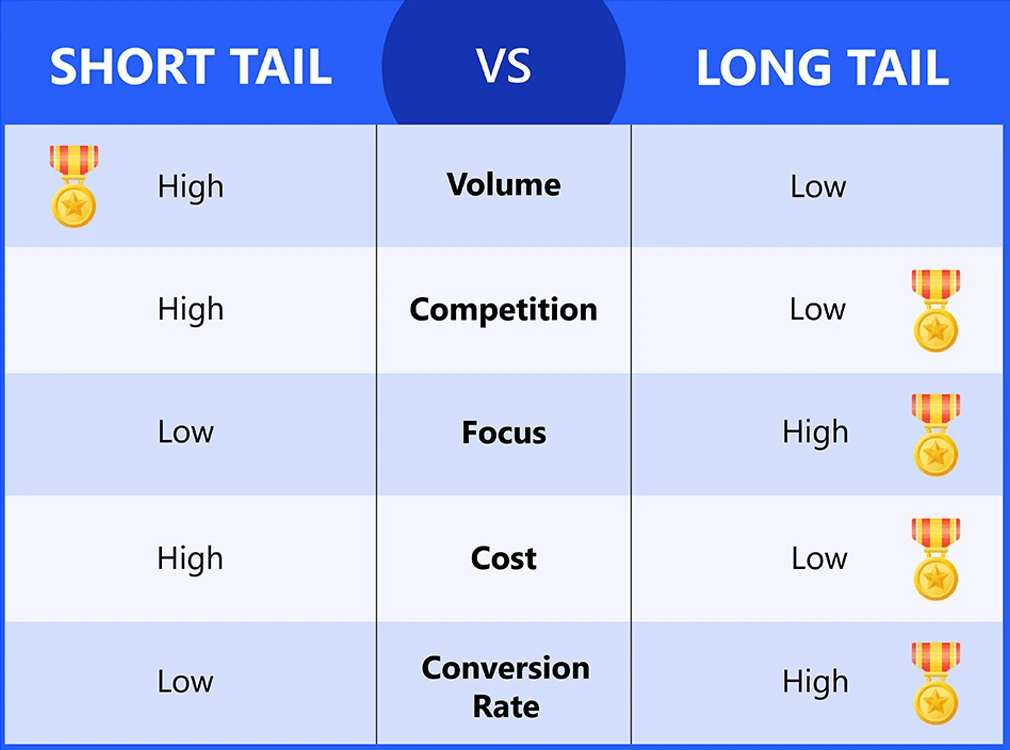
Short, popular search terms that draw large audiences but are fiercely competitive are known as short-tail keywords. Long-tail keywords, on the other hand, are more specific and usually indicate more obvious user intent. From the standpoint of SEO strategy, long-tail terms frequently result in increased engagement because they closely correspond with particular requirements or inquiries. Long-tail keyword research techniques enable marketers to obtain qualified traffic that is more likely to convert, particularly when used in blog and content marketing initiatives, while short-tail keywords aid in establishing topic relevance.
Search Intent and the Buyer’s Journey
Aligning content with the buyer’s journey requires an understanding of search intent. Early awareness is demonstrated by informational searches, in which users are learning rather than making choices. While transactional intent indicates a desire to buy or take action, navigational intent indicates familiarity with a brand or platform. We, as marketers and advertisers, can strategically direct users through the funnel by mapping keywords to these stages. Intent-matched content boosts user engagement, lowers bounce rates, and raises the possibility that users will move from research to conversion.

Keyword Research Tools and Data Accuracy
Based on the fact that Google Keyword Planner uses historical search data from Google, it is one of the most dependable resources for keyword research tools available today. This tool provides estimates of search volume instead of being accurate, but offers an overall view of the genuine search volume for a particular term, as well as its level of competition (as we learned in MKT 363). No third-party platforms or AI systems access the same level of information provided by Google to their advertisers. While other tools can help you find new ideas or give you insights about trends, they will most likely be based on projected or obtained information rather than actual data; thus, an effective keyword research technique will focus on the quality of data so having Google Keyword Planner is very important for making educated decisions concerning SEO.

Applying Keyword Research to Real Products
The Trek Bicycle case illustrates that keyword research must reflect the positioning of your products and the expectations of your target audience. Therefore, when selecting keywords for a mountain bike like the Trek Marlin, they should include both the performance level (i.e., mid-range recreational or entry-level) and the price point in addition to the usage context. Keyword strategies should avoid overly broad keywords and focus instead on keywords that indicate intent toward recreational or entry-level mountain biking at a mid-level price range. By doing so, this strategy ensures that the majority of traffic coming to a site will be from users who are actually considering purchasing the product, thus increasing conversions and relevance to potential customers.
Common Keyword Research Mistakes
A common keyword research error is concentrating on keywords with a high search volume, regardless of whether they have good intent or relevance to your product. There are also long-tail keyword opportunities that may not be as well-known. Many marketers create their keyword lists using only AI-generated suggestions based on data analysis and do not validate the analytics by checking to see if these keywords match up with the buyer’s journey. Failing to conduct a thorough examination of they’re effectiveness will result in the lowest amount of engagement and SEO.
Conclusion
Marvellous keyword research strategies are key to achieving effective SEO & Digital Marketing. Marketers are able to write content that correlates to the way consumers actually search when they understand search patterns from both an analysis of public search behavior and intent, as well as through access to quality-verified data sources. Be consistent in applying these keys, and over time, you will see improved visibility, greater engagement with your content on social platforms, and a higher level of organic results.

Unlock Effective Keyword Research
Explore essential strategies to boost organic search visibility and align your content with audience intent.

Keyword Discovery
Learn how to identify relevant keywords that drive targeted traffic and improve rankings.

Competitive Analysis
Understand how analyzing competitors’ keywords can refine your SEO strategy effectively.

Content Optimization
Discover techniques to integrate keywords seamlessly and enhance search engine performance.

Begin Optimizing Your Keyword Strategy Now
Discover how effective keyword research boosts your SEO impact and drives more organic traffic. Learn practical techniques to refine your content with targeted keywords and improve your search rankings.