
How Display Advertising Works

Introduction
I learned how display advertisements help marketers create brand awareness and encourage consumers to continue through their journey, even if they didn’t come from a search-based intent. Display advertisements provide advertisers/marketers with a way to display visual advertisements to consumers across web sites, applications, and digital platforms instead of just via text-based search results, as with paid search. Display advertising is provided via Google Ads through the use of programmatic advertising, which means that Google Ads uses technology and data to determine where and how much to bid for ad placements in real-time. Instead of looking for immediate conversion, as with paid search, display advertising is focused on exposure, increasing awareness, and delivering targeted messages to consumers based upon their actions. Therefore, understanding display advertising requires the evaluation of the programmatic system that enables the efficient delivery of advertisements at scale.

What Is Display (Programmatic) Advertising?
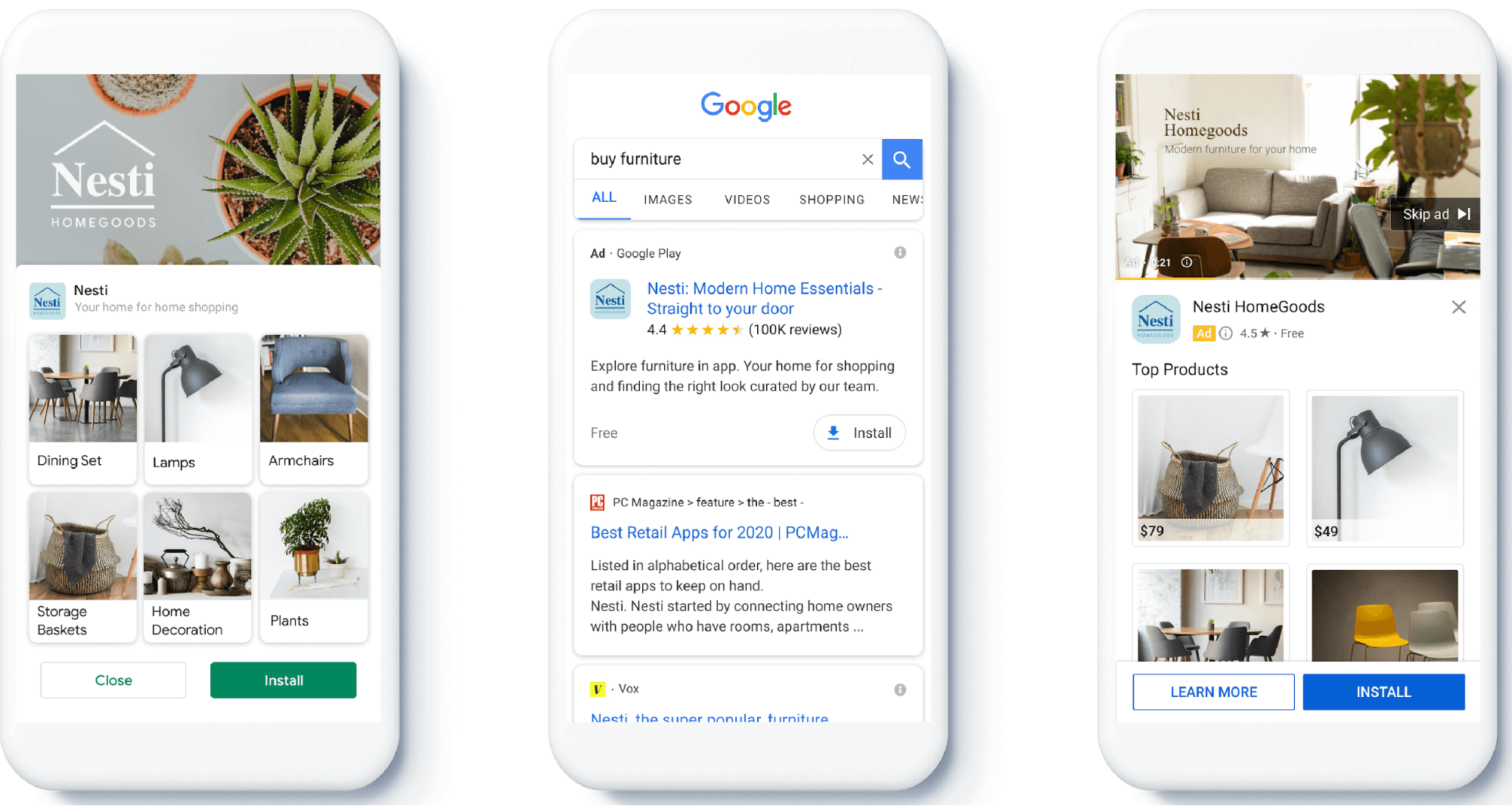
Visual advertisements that are viewed visually in the form of banners, images, and rich media are utilized in display advertising across web pages, mobile apps and digital platforms. The digital advertising process is programmatic, which means automated, and relies on data to purchase and place advertisements correctly using appropriate technology (Chaffey & Ellis-Chadwick 2019) through online platforms.
Google Ads Display Network make it easy for advertisers to utilise one platform to reach millions of different websites and create ads targeting specific users based on their demographic profile, interests, and online behaviour. This method allows display advertisement capabilities to be able to show advertisements to users without requiring active keyword searches on their part, but, will instead use signals from the audience to identify where the advertisement may be most effective to those users.

How Programmatic Advertising Works in Google Ads
Programmatic advertising uses an automated real-time auction process to find ad space on websites in milliseconds as they load. When a website downloads, Google Ads will check the available inventory of ads and use that information to determine which ads to match up with which advertisers based on a variety of factors like targeting criteria, bid strategy, and relevancy (Google, 2023). Unlike traditional methods where advertisers have to negotiate for advertising space manually, programmatic advertising’s automated process allows for a much more efficient way to place ads and easily scale campaigns while still controlling budgets and selecting audiences. As discussed in class, programmatic advertising technology focuses on achieving maximum efficiency, reach, and accuracy as opposed to using traditional manual methods to place ads.

.png)
Discover Display Advertising Excellence

Audience Targeting and Data Signals
An advantage of display advertisements is that Google Ads uses advanced audience targeting capabilities to enable advertisers to identify specific groups based on demographics, interests, in-market behaviours, etc., and to use remarketing lists to reach users who had previously engaged with a brand or were interested in related products (Fishkin & Høgenhaven, 2015). Display advertisements are unique from search advertisements in that they are not only reliant on user intent at the time of doing a search, but also targeted toward users based on their previous actions or behaviours (the behaviour is sometimes referred to as ‘contextual’). This characteristic makes display advertising extremely effective when targeting potential buyers during the early stages of their buying journey (i.e., creating awareness and considering purchase).

Benefits and Limitations of Display Advertising
The ability of display advertising to provide a broad range of audiences and create strong brand impressions makes it an effective medium to use in advertising. The visual format allows advertisers to creatively and repeatedly convey their messages, thereby allowing more opportunities for the brands to be remembered and recognized. Additionally, the programmatic platforms allow advertisers to obtain a large amount of data about performance that can be used to improve future campaigns. On the downside, however, display ads have lower click-through rates than those of search engine marketing and may be overlooked by consumers because of ad fatigue and banner blindness. Therefore, the instructors in the lecture have stated that display advertising is best when combined with both paid search and search engine optimization as opposed to being used in isolation.

Display Advertising Within an Integrated Strategy
An effective digital marketing strategy integrates display advertising with other channels. Display ads can introduce a brand, while paid search captures high-intent users later in the journey. Remarketing further connects these channels by re-engaging users who previously visited a website. This integrated approach ensures consistent messaging across touchpoints. As emphasized in MKT 363, display advertising supports long-term brand growth while reinforcing performance-driven campaigns like search advertising.
Resources
Chaffey, D., & Ellis-Chadwick, F. (2019). Digital marketing: Strategy, implementation and practice (7th ed.). Pearson Education.
Fishkin, R., & Høgenhaven, T. (2015). Inbound marketing and SEO: Insights from the Moz blog. Wiley.
Google. (2023). About the Google Display Network. Google Ads Help Center. https://support.google.com/google-ads/answer/2404190